
Introduction
A bathroom is one of the most frequently used spaces in any home, so its design needs to balance appearance, comfort and everyday practicality. A well-planned bathroom can make a noticeable difference to the way a property feels, particularly when the layout, storage and fittings have all been selected around the needs of the household.
This is where experienced Bathroom installers can make the renovation process much easier. Rather than simply replacing individual fixtures, professional installers can help homeowners develop a complete bathroom concept that works with the available space and personal preferences. From contemporary shower rooms to traditional family bathrooms, a carefully planned installation can turn an ordinary room into a comfortable and attractive part of the home.
Why Bespoke Bathroom Design Matters
Every property has a different layout, and every household uses its bathroom differently. A design that works perfectly in a large family home may not be suitable for a compact property. This makes personalised planning particularly important.
Bespoke fitted bathrooms are designed around the dimensions of the room rather than forcing standard products into an unsuitable layout. This approach can help make better use of awkward corners, limited floor space and unusual wall configurations.
Professional Bathroom installers can consider practical details such as the position of the toilet, basin, shower, bath, storage and lighting before installation begins. This reduces the risk of creating a bathroom that looks attractive but feels inconvenient to use.
A personalised design can also reflect the character of the property. Homeowners may prefer clean contemporary lines, traditional detailing, luxurious finishes or a combination of different styles.
What Experienced Bathroom Installers Bring to a Project
Bathroom installation involves much more than fitting a new sink or replacing a bath. Plumbing, tiling, electrical requirements, lighting, flooring and finishing details all need to work together.
Experienced Bathroom installers understand how these different elements interact. They can plan the installation from the initial concept through to the final finishing touches, helping to create a consistent result.
QA Bathrooms and QA Kitchens and Bathrooms, for example, have built their service around bespoke bathroom design and installation, with more than four decades of experience stated in their supplied information. Their approach includes consultation, material selection and professional installation.
Experience can be especially useful when dealing with older properties. Existing plumbing may not be positioned where a homeowner wants new fittings, while walls and floors may require additional preparation before installation. A knowledgeable installation team can identify these issues during the planning stage instead of discovering them halfway through the renovation.
The Main Stages of a Bathroom Installation
A successful bathroom project usually starts long before the first tile is removed. Careful preparation gives homeowners a clearer idea of what the finished room will look like and helps installers understand the practical requirements.
1. Consultation and Planning
The first stage is understanding how the bathroom will be used. A family bathroom may need generous storage and durable surfaces, while an en-suite could prioritise space-saving fixtures.
During a design consultation, homeowners can discuss their preferred style, available space, budget and functional requirements. Measurements and layout considerations can then be used to develop a suitable plan.
2. Choosing Fixtures and Materials
The materials used throughout a bathroom influence both its appearance and long-term usability. Tiles, sanitaryware, taps, shower systems, countertops, flooring and storage should complement one another.
Neutral tiles can provide a timeless foundation, while carefully selected fittings can introduce personality. Homeowners looking for a more luxurious appearance might consider premium surfaces, statement baths or contemporary rainfall showers.
Good material selection is not only about appearance. Surfaces should also be suitable for a humid environment and easy enough to maintain as part of normal household cleaning.
3. Professional Installation
Once the design and materials have been agreed, installation can begin. Depending on the project, this may involve plumbing, electrical work, tiling, flooring, fixture installation, lighting and final finishing.
Using coordinated Bathroom installers can simplify the process because the different stages can be managed as part of one overall project rather than being handled separately by several contractors.
Attention to detail is particularly important at this stage. Accurate fitting, appropriate sealing and careful finishing can influence both the appearance and performance of the completed bathroom.
Bathroom Styles to Consider
There is no single style that suits every property. The right choice depends on the homeowner’s taste, the architecture of the property and the amount of available space.
Spa-Inspired Bathrooms
A bathroom can be designed as a relaxing retreat by incorporating features such as rainfall showers, freestanding baths, soft lighting and comfortable finishes. This style focuses on creating a calm atmosphere rather than simply providing basic functionality.
Modern Minimalist Bathrooms
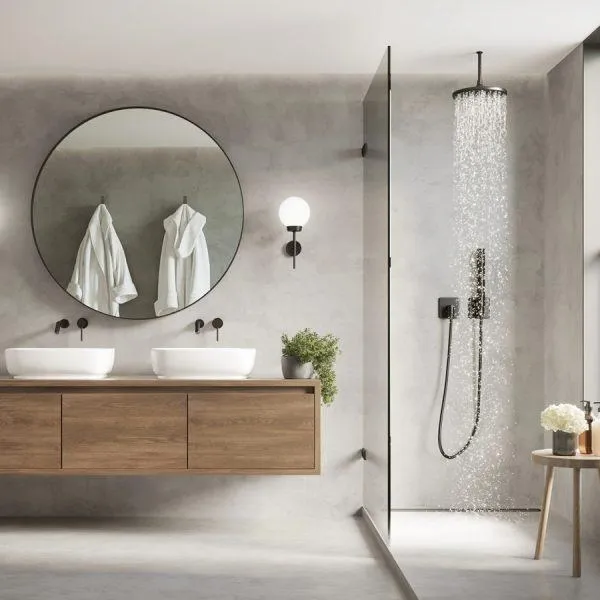
Minimalist bathrooms typically use simple shapes, clean surfaces and restrained colour palettes. Wall-mounted fixtures, frameless shower screens and streamlined storage can help maintain an uncluttered appearance.
This approach can also be useful in smaller bathrooms because fewer visual elements can make the room feel more open.
Traditional Bathrooms
For period properties or homeowners who prefer classic interiors, traditional bathrooms can combine decorative details with modern functionality. Panelled walls, classic sanitaryware, marble-inspired surfaces and vintage-style fittings can create an elegant appearance without sacrificing everyday convenience.
Smart and Convenient Bathrooms
Technology is increasingly finding its way into bathroom design. Features such as LED mirrors, touchless taps, heated flooring and modern shower controls can provide additional convenience.
The important point is to choose technology that genuinely improves the way the room is used rather than adding features simply for appearance.
Benefits of Professionally Fitted Bathrooms
Investing in a professionally installed bathroom can provide several practical advantages.
Better Use of Available Space
Professional planning can identify opportunities to make use of areas that might otherwise be overlooked. Clever storage, suitable fixture sizes and an efficient layout can make a compact bathroom considerably easier to use.
A More Consistent Finish
When installation is handled carefully, different elements of the room can work together visually. Tiles, fittings, lighting and furniture can be coordinated instead of appearing like separate additions.
Improved Everyday Functionality
A beautiful bathroom still needs to work well. Correct positioning of fixtures, accessible storage and appropriate lighting can make daily routines more convenient.
Durable Results
Quality materials combined with skilled installation can contribute to a bathroom that remains attractive and functional over time. Proper installation is particularly important around wet areas where sealing and moisture management matter.
Personalised Design
Perhaps the biggest benefit of a bespoke approach is the ability to create a bathroom around the homeowner. Instead of choosing a standard arrangement, homeowners can discuss their preferred features, style and practical requirements.
How Bathrooms Can Complement Fitted Kitchens
For homeowners planning several rooms at once, there can also be value in working with a company experienced in both bathrooms and kitchens. Fitted Bathrooms installers Kitchens is an approach that reflects the broader idea of creating coordinated, professionally designed spaces throughout a property.
Kitchens and bathrooms have different technical requirements, but both benefit from careful space planning, quality materials and customised furniture. A company offering both services may be able to provide a consistent design approach across different areas of the home.
QA’s supplied information highlights bespoke fitted kitchens alongside fitted bathrooms and bedrooms, with the aim of creating spaces around the homeowner’s lifestyle.
Choosing the Right Bathroom Installers
Before committing to a bathroom renovation, homeowners should look beyond photographs of completed projects. Experience, communication, workmanship and the scope of the installation service are all worth considering.
Ask whether the installer can manage the complete project, including plumbing, tiling, lighting and finishing. It is also useful to establish what materials are available, how the design process works and how potential changes will be handled.
A clear consultation can prevent misunderstandings later. Homeowners should feel comfortable explaining their requirements and asking questions before work begins.
For properties around Telford, Shropshire, Wolverhampton and Stafford, local experience can also be valuable because installers familiar with the area may have worked on a wide range of residential properties and layouts.
Conclusion
A successful bathroom renovation is about more than choosing attractive fixtures. It requires thoughtful planning, suitable materials, precise installation and a design that reflects the way people actually use their homes.
Professional Bathroom installers can bring these elements together, helping transform an ordinary room into a bespoke and practical space. Whether the goal is a relaxing spa-inspired bathroom, a minimalist modern design or a traditional interior, careful planning can make the finished result both attractive and functional.
For homeowners considering a wider home improvement project, bespoke fitted bathrooms can also sit naturally alongside fitted kitchens and bedrooms. With the right design approach and skilled installation, these everyday spaces can become more comfortable, organised and suited to modern lifestyles.
