
Introduction
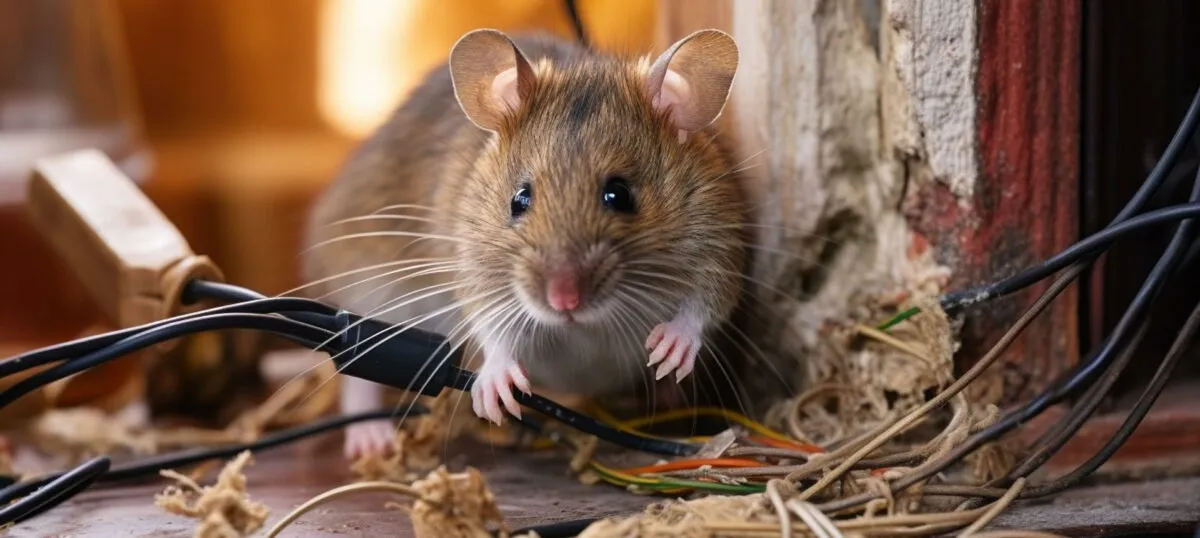
Searching for rodent control services near me usually means there is a problem that needs attention. You may have heard scratching in the loft, discovered droppings in the kitchen or noticed damage around food containers. Whatever the first sign may be, finding the source of the activity is an important step towards resolving it.
Rats and mice can enter properties through surprisingly small openings. They can also remain hidden in wall cavities, roof spaces and storage areas. A suitable control plan should address the infestation while helping reduce the likelihood of rodents returning.
What to Do When You Discover Rodents
The first step is to look for signs without disturbing suspected nesting areas unnecessarily. Check for droppings, gnaw marks, damaged packaging and repeated scratching sounds. Take note of where these signs appear because the location can help a pest control professional understand the likely movement of rodents.
Keep food covered and clean any accessible spills. Avoid sweeping or vacuuming dry rodent droppings, as this can release contaminated particles into the air. Follow appropriate public health guidance for safe cleaning, and seek professional advice if contamination is extensive.
Do not rely on a single sighting to judge the size of the problem. Rodents are often active in concealed spaces, and their activity may extend beyond the room where they were first noticed.
Why Home Remedies May Not Be Enough
Some property owners try traps, repellents or household products before contacting a professional. These measures may help with limited activity, but they can be ineffective when the source of the infestation remains unknown.
A trap placed in the wrong location may not intercept the rodent’s regular route. Repellent products may have limited or inconsistent effects. Blocking an opening without checking whether rodents remain inside can also create further complications.
Professional rodent control focuses on the conditions surrounding the infestation. Identifying active areas, choosing appropriate control methods and checking possible entry points can provide a more structured approach than trying different products without a clear plan.
What Happens During a Rodent Control Visit
The exact process depends on the building and the evidence available. A professional assessment may include the following steps.
Inspection of affected areas
The pest controller checks accessible locations for droppings, damage, nesting materials and other signs of rodent activity. The inspection may also consider external walls, utility openings, storage areas and waste facilities.
Identification of possible entry points
Gaps around service pipes, damaged vents, spaces beneath doors and defects in building materials can allow rodents to enter. The inspection helps identify areas that may need proofing or further investigation.
Selection of a suitable treatment
The control method should reflect the type of rodent, the affected area and any relevant safety concerns. Depending on the circumstances, treatment may involve traps or other authorised products used according to their instructions.
Advice and follow-up
The pest controller can explain what the property owner should do after treatment. Further visits or monitoring may be appropriate where rodent activity continues or the infestation is more extensive.
Rodent Control for Houses, Flats and Commercial Buildings
Rodent problems are not limited to older homes or untidy properties. Rats and mice can enter well-maintained buildings when food, shelter or accessible openings are available.
In houses and flats, activity may occur beneath kitchen units, inside lofts or behind appliances. Landlords may need to investigate recurring complaints from tenants and check whether building defects are contributing to the issue.
Commercial premises face different challenges. Restaurants, shops, warehouses and offices may have deliveries, waste areas or storage spaces that attract rodents. A consistent prevention routine can help reduce these risks and support suitable pest management.
The correct response should always reflect the type of premises and the extent of the activity. Treatment should not be considered complete until the situation has been assessed and any necessary additional measures have been considered.
How to Prevent Rodents From Returning
Once the immediate problem has been addressed, prevention becomes the priority. Keep rubbish in secure bins, clean food preparation areas regularly and store supplies in containers that rodents cannot easily damage.
Inspect external openings and arrange suitable repairs where gaps or defects are found. Keep outdoor storage areas organised and avoid allowing waste materials to accumulate beside walls. Where rodent activity appears to originate from drains, a drainage inspection may help establish whether further investigation is needed.
Continue checking for fresh droppings, gnawing and unusual noises. New signs of activity should be assessed rather than ignored.
Finding Rodent Control Services Near You in Essex
The Exterminator Pest Control is based in Chelmsford and serves residential and commercial customers across Chelmsford and surrounding areas of Essex. The team handles rat and mouse problems and can advise on an appropriate course of action after considering the circumstances.
Same-day appointments may be available depending on the schedule and travel requirements. Contact the company to describe the problem, confirm coverage for your address and request a quotation before treatment begins.
