
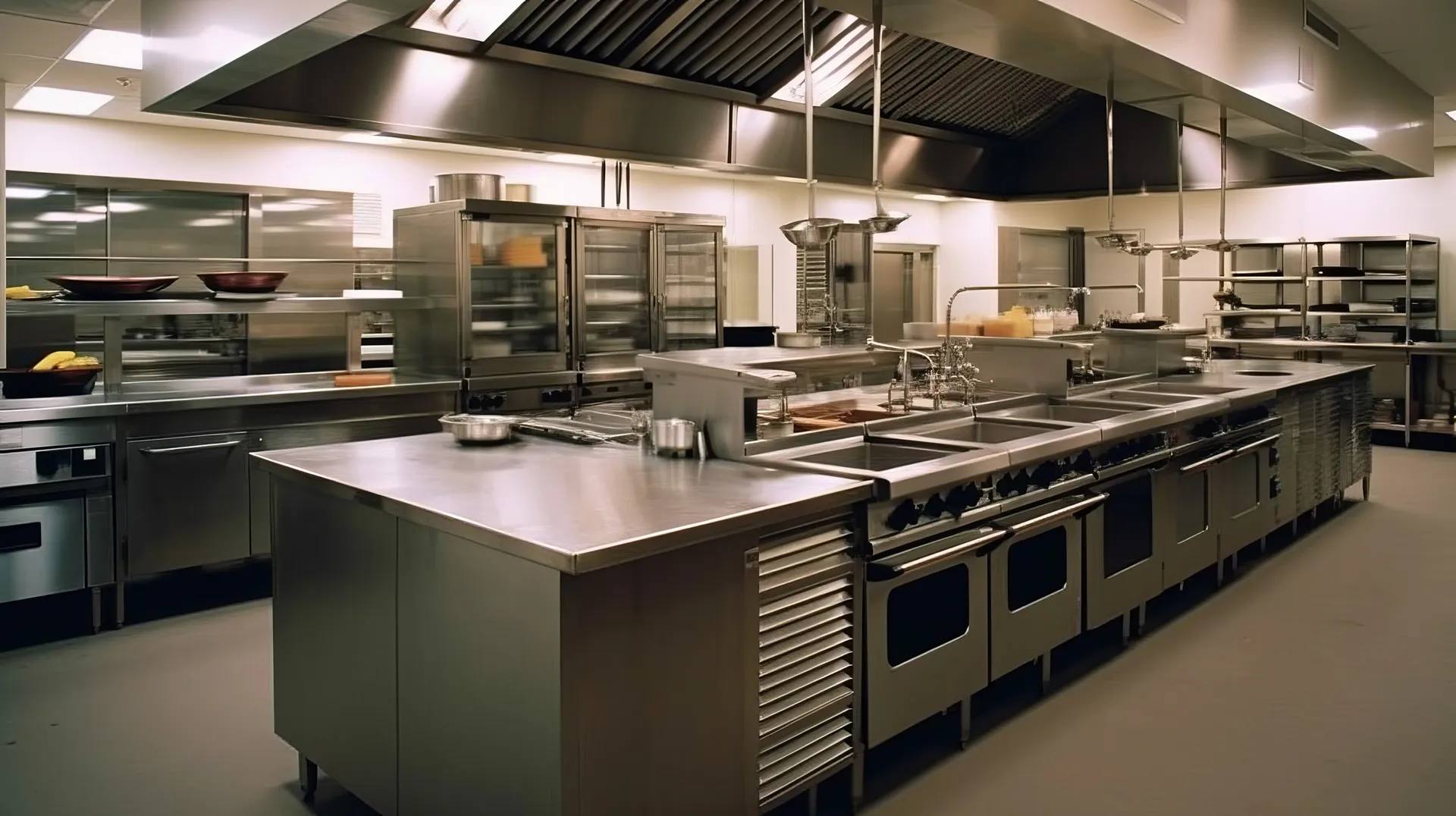
Introduction
A successful food business needs more than a talented chef and a good menu. Behind every restaurant, hotel, pub, school kitchen, and care home is a carefully planned workspace where the right equipment helps staff prepare meals safely, quickly, and consistently. When the kitchen is poorly designed or fitted with unsuitable appliances, even simple daily tasks can become time-consuming and expensive.
For businesses looking to improve their food preparation facilities, working with experienced Catering Equipment Suppliers Telford can make a significant difference. From cooking appliances and refrigeration to stainless steel workstations and ventilation systems, professional suppliers can help you create a kitchen that matches your operational needs.
Whether you are opening a new restaurant, renovating an existing catering facility, or replacing outdated equipment, understanding what to look for can help you make better decisions and protect your investment.
Why the Right Catering Equipment Matters
Commercial kitchens operate under constant pressure. Staff may need to prepare dozens or hundreds of meals during busy service periods, while maintaining hygiene, food quality, and customer satisfaction. Equipment that is too small, unreliable, or difficult to clean can quickly affect the entire operation.
Choosing suitable catering equipment is therefore not simply about purchasing appliances. It involves understanding how your kitchen functions and selecting products that support your staff.
Improving Kitchen Productivity
Well-chosen equipment can help reduce unnecessary movement and make food preparation more organised. For example, placing refrigeration close to preparation areas can make it easier for chefs to access ingredients, while suitable cooking appliances can support a smoother service.
A properly planned kitchen allows employees to work efficiently without constantly moving between different areas. This can be especially valuable during breakfast service in hotels, busy restaurant evenings, or meal preparation in care homes.
Supporting Consistent Food Quality
Professional catering appliances are designed for demanding working environments. Reliable ovens, steamers, refrigeration units, and other equipment can help kitchens maintain consistent preparation methods.
When staff have dependable appliances, they can follow recipes more accurately and deliver a more consistent experience to customers. This is important for businesses that want to build a strong reputation through quality food and dependable service.
What to Consider Before Buying Commercial Kitchen Equipment
Before contacting suppliers, it is worth assessing the actual requirements of your business. A small café will have different equipment needs from a large hotel or school catering facility.
Understand Your Menu and Daily Workload
Your menu should influence the type of equipment you purchase. A business specialising in pizzas may require dedicated pizza ovens, while a restaurant serving a varied menu may need combination ovens, fryers, grills, and preparation equipment.
Consider the following questions:
-
What types of food will you prepare?
-
How many meals do you expect to serve each day?
-
How many chefs or kitchen employees will use the equipment?
-
Will the kitchen operate during busy peak periods?
-
Do you need to accommodate future business growth?
Answering these questions helps prevent unnecessary spending on equipment that does not suit your operation.
Measure the Available Kitchen Space
Space is one of the most important factors in Commercial Kitchens Telford
planning. Large appliances, preparation counters, sinks, and storage units must fit into the available area without restricting movement.
Professional Catering Equipment Suppliers Telford can help assess your kitchen layout and recommend equipment that makes sensible use of the space. This is particularly useful when working with a compact restaurant, an existing commercial property, or a kitchen being redesigned from the ground up.
Essential Equipment for Commercial Kitchens Telford
A commercial kitchen requires several equipment categories to support food preparation, cooking, storage, cleaning, and staff safety. The exact combination depends on the type and size of the business.
1. Cooking Appliances
Cooking equipment is at the heart of most catering operations. Depending on the menu, businesses may need:
-
Commercial ovens for baking, roasting, and general cooking.
-
Microwaves for suitable reheating tasks.
-
Steamers for preparing vegetables and other foods.
-
Grills, fryers, and specialist cooking appliances where required.
The best choice depends on cooking volume, available space, energy requirements, and the type of food being served. Selecting equipment that matches the menu can improve workflow and reduce the pressure placed on individual appliances.
2. Commercial Refrigeration
Refrigeration plays an essential role in storing ingredients and maintaining food quality. Restaurants, hotels, pubs, and other catering businesses may require a combination of large refrigeration units and smaller under-counter fridges.
When choosing refrigeration, consider storage capacity, access, temperature control, and available floor space. A well-organised refrigeration system can make ingredients easier to find and help staff maintain a cleaner preparation routine.
3. Commercial Dishwashers
Manual dishwashing can take considerable time in a busy kitchen. Commercial dishwashers are designed to handle higher volumes of plates, utensils, and cookware than typical domestic appliances.
The right dishwasher depends on the number of meals served, available space, and the kitchen’s cleaning workflow. A suitable model can support faster turnaround between services and reduce the amount of time staff spend on repetitive cleaning tasks.
4. Stainless Steel Workstations and Storage
Stainless steel is widely used in professional kitchens because it is durable, practical, and relatively easy to clean when properly maintained.
Useful stainless steel equipment includes:
-
Preparation tables and workstations.
-
Commercial sinks.
-
Storage cupboards.
-
Shelving and other kitchen furniture.
These products help create dedicated areas for preparing food, washing equipment, and storing essential supplies. A well-planned arrangement can also make the kitchen easier to maintain throughout the working day.
5. Ventilation and Extraction Systems
Cooking produces heat, steam, grease, and airborne cooking fumes. Without a suitable ventilation system, the kitchen can become uncomfortable and difficult to manage.
Commercial kitchen extraction and ventilation systems help remove unwanted air and support a more suitable working environment. Their design should take account of the cooking equipment, kitchen layout, building requirements, and applicable safety considerations.
Experienced suppliers and ventilation engineers can help businesses assess their needs and arrange an appropriate system.
The Benefits of Working with Experienced Catering Equipment Suppliers
Buying commercial equipment from a knowledgeable supplier offers advantages beyond simply receiving appliances.
Tailored Solutions for Every Kitchen
Every catering facility has different requirements. A restaurant in Telford may need a compact, high-output kitchen, while a school or care home may prioritise large-scale meal preparation and practical cleaning facilities.
Professional suppliers can help assess the available space, understand the menu, and recommend equipment that fits the business. This tailored approach is often more useful than purchasing appliances based only on price or appearance.
Professional Installation and Setup
Correct installation is essential for commercial catering equipment. Appliances must be positioned and connected appropriately, with suitable consideration given to ventilation, electrical requirements, plumbing, and other relevant services.
Many Catering Equipment Suppliers Telford also offer installation services. This means businesses can work with one team to coordinate equipment supply and setup, helping reduce the risk of problems caused by unsuitable installation.
Staff Support and Equipment Familiarity
New equipment may operate differently from the appliances staff have used previously. Understanding how to use it properly can help employees work more confidently and avoid preventable mistakes.
Where needed, suppliers may provide guidance or support with equipment operation. This can be useful when installing unfamiliar commercial appliances or introducing new kitchen processes.
Maintenance and Repair Assistance
Even high-quality catering equipment requires regular care. Planned maintenance can help identify problems before they become major disruptions, while repairs can help restore equipment that is no longer working correctly.
When choosing a supplier, ask whether they provide servicing, repair support, and planned maintenance options. Having access to professional assistance can be especially valuable for businesses that rely on their kitchen every day.
Designing a Commercial Kitchen for Long-Term Success
Plan the Workflow Before Installation
A kitchen should be designed around the movement of food, staff, equipment, and waste. Preparation, cooking, washing, and storage areas should be arranged logically to reduce unnecessary movement.
For example, ingredients should be easy to access, preparation surfaces should be positioned sensibly, and cleaning facilities should support an organised workflow.
Think About Future Business Growth
A kitchen that meets today’s needs may become too small as the business expands. If you expect more customers, a larger menu, or additional staff in the future, discuss those plans with your supplier.
A flexible design can make future upgrades easier and help you avoid replacing equipment sooner than necessary.
Prioritise Hygiene and Safety
Commercial kitchens must be designed and operated with food hygiene and workplace safety in mind. Surfaces should be suitable for cleaning, equipment should be installed correctly, and ventilation should be appropriate for the cooking operation.
It is important to consult qualified professionals and check the requirements applicable to your premises before installation.
Who Can Benefit from Commercial Catering Equipment?
Professional catering equipment is useful across many different industries.
Restaurants, Hotels, and Pubs
Food service businesses need reliable cooking, refrigeration, preparation, and cleaning equipment to support daily operations. A well-designed kitchen can help staff handle busy periods and maintain service quality.
Schools and Care Homes
Institutional kitchens often prepare meals for larger groups and may have specific requirements for food storage, hygiene, and meal distribution. Suitable equipment can help staff manage these responsibilities more efficiently.
Health Clubs and Other Hospitality Businesses
Health clubs, cafés, bars, and other hospitality venues may require specialised equipment depending on their menus and customer needs. Professional suppliers can help identify practical options for different catering environments.
Frequently Asked Questions
What do catering equipment suppliers in Telford provide?
They can supply a range of commercial kitchen equipment, including cooking appliances, refrigeration, dishwashers, stainless steel furniture, and ventilation-related solutions. Some suppliers also provide design, installation, servicing, and repair support.
Can suppliers help design a completely new commercial kitchen?
Yes. Experienced commercial kitchen specialists can assess your premises, discuss your requirements, and help develop a suitable kitchen layout and equipment plan.
Do I need professional installation for commercial catering equipment?
Professional installation is recommended for equipment that requires specialist connections or setup. Correct installation helps ensure appliances are fitted appropriately and ready for use.
How can I choose the right kitchen equipment?
Start by reviewing your menu, kitchen size, expected workload, available budget, and future growth plans. A knowledgeable supplier can help you compare options based on your specific requirements.
Conclusion
Creating an efficient commercial kitchen requires careful planning, suitable equipment, and professional support. From cooking appliances and refrigeration to stainless steel workstations and ventilation, every part of the kitchen contributes to the way your business operates.
By working with experienced Catering Equipment Suppliers Telford, restaurant owners, hotels, schools, pubs, and other hospitality businesses can explore solutions designed around their individual needs. Professional installation, maintenance support, and practical kitchen design can also help make the investment more valuable over time.
If you are planning a new catering facility or upgrading an existing kitchen, take the time to assess your requirements and choose equipment that supports your business today while allowing room for tomorrow’s growth.
